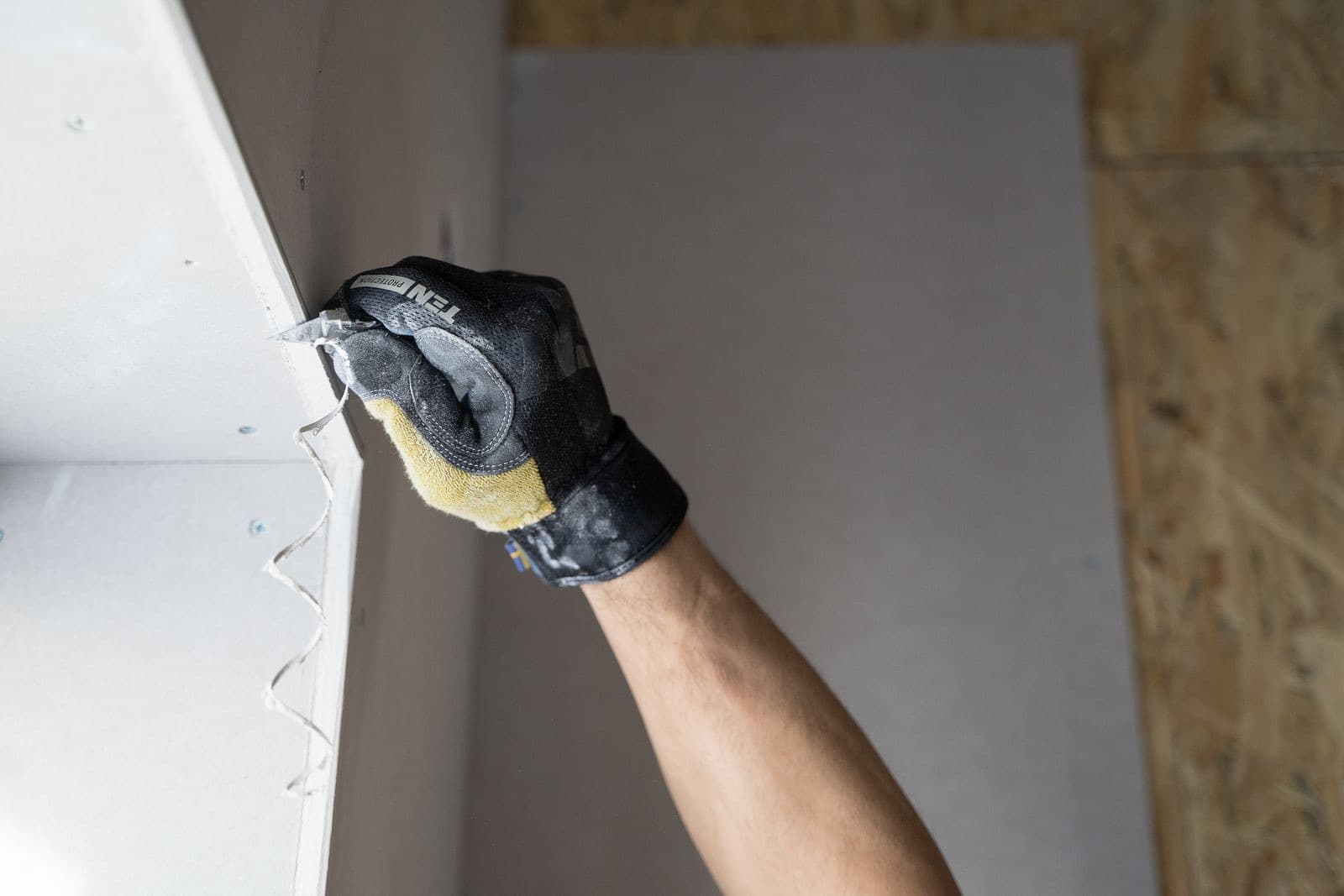
Paint changes the colour and finish of a wall. It does not, by itself, resolve loose plaster, recurring staining or damage around an old fitting. Before choosing a colour, establish which parts of the surface can be prepared for decorating and which need a repair or further assessment first.
PRG Property Services offers decorating and plaster repairs in Sevenoaks, together with general repairs and pre-sale / pre-let preparation. Considering these tasks together is useful when a room needs both making good and a consistent final finish, rather than another coat over the same visible problem.
Separate a surface mark from a recurring problem
A scuff from furniture, holes left by a removed shelf and a stain that returns after painting should not automatically receive the same treatment. Describe what changed and whether it has happened before. Previous photographs can help show the history, but they cannot establish the cause on their own.
If there is active dampness, a suspected leak or a change in the shape or extent of cracking, ask for the underlying concern to be assessed before treating the wall as a decorating job. Avoid scraping off large areas, opening up the wall or assuming that a particular filler will solve it. The condition and construction of the surface determine the appropriate preparation.
Agree where the repair ends and the decoration begins
“Repair the wall” can describe a small patch or a much wider area of work. Ask which parts need making good and which whole surfaces will be decorated afterwards. These boundaries matter because a sound local repair can still look different from the surrounding paint if the existing finish is old, marked or uneven.
Look at the room in its usual daylight and evening lighting. A wall beside a window may reveal surface changes differently from one facing the light. This is a reason to discuss the desired finish realistically, rather than a basis for promising that every wall can be made flawless with the same preparation.
- Identify the damaged area and the surrounding surface to be retained.
- Agree whether decoration covers the patch, the full wall or the room.
- Include adjacent woodwork only where it is part of the agreed finish.
Allow the chosen materials to dictate the sequence
New or repaired plaster needs the appropriate preparation before paint is applied. Dulux's guidance on painting new plaster says the plaster should be dry before painting and that the coating system must suit the surface. It is better to follow the relevant product instructions and the actual condition of the wall than to assume every repair is ready after a fixed number of days.
Ask the decorator how the proposed repair, preparation and paint system fit together. If a room has to be usable throughout the work, discuss what can remain in place and when access will be needed. Drying and preparation stages should be visible in the plan, even when the painting itself appears straightforward.
Finish other alterations before completing the wall
Removing a cupboard, changing a fixture or repairing nearby plumbing can disturb a surface that has just been decorated. Share any planned work in the room before the decorative scope is agreed. That gives the people involved a chance to decide which tasks depend on another trade finishing first.
Some alterations may leave a different repair from the one originally expected. When a shelf is removed, for example, the work is not necessarily limited to its screw holes; the exposed area may also have a different paint history. Agree how newly revealed work will be discussed, rather than assuming it is already included in a vague room price.
Judge the result against an agreed finish
A useful handover conversation concerns the surfaces and finish that were agreed. Check the repaired area, the edges around retained fittings and the decorative boundaries, using normal room lighting. Raise visible concerns while the job can be compared with that scope.
Keep the paint name, colour and finish details for future maintenance. A spare tin alone may not explain which product was used on which surface. If later staining or damage develops, retain its history and seek advice about the cause rather than repeatedly covering it. A new symptom deserves assessment on its own merits.
Frequently asked questions
Can a damaged patch be painted without redecorating the whole room?
Sometimes, but the condition and existing finish matter. Discuss whether a local touch-up is likely to give the result you want or whether a complete wall is a more sensible boundary. There is no reliable promise of an invisible match before the surface and paint have been considered.
Should I choose the paint before the plaster repair is assessed?
You can consider colours, but leave the preparation and coating system open until the surface is assessed. The substrate, repair materials and their instructions affect what is appropriate. A preferred colour does not determine whether a wall is ready to decorate.
Read about PRG's decorating and plaster repairs or discuss a room that needs making good.
Further reading: Dulux guidance on painting new plaster, checked 18 September 2026.