A damp patch that appears only occasionally can be harder to explain than a tap that drips continuously. The useful starting point is its pattern: where water becomes visible, when you first noticed it and whether it seems connected with use of a particular fitting. That history helps a plumber begin an assessment without treating a guess as a diagnosis.
PRG Property Services offers plumbing, general repairs and decorating and plaster repairs in Sevenoaks. When a plumbing problem has affected a wall, cupboard or ceiling, keep the investigation and the subsequent making good as separate parts of the discussion. Restoring the finish is useful only once the underlying work has been considered.
Describe the symptom before naming the cause
“Water appears below the basin after it is used” is more informative than “the pipe has failed” when the pipe has not been inspected. A visible mark does not establish which component needs repairing. Let the assessment determine the cause instead of narrowing the enquiry to a replacement part chosen in advance.
Include the history that you already know: whether the symptom is new, whether previous work took place nearby and whether it has changed. If someone else normally uses the room, their observations may be useful too. Keep uncertainty explicit; saying that you have not noticed a pattern is better than inventing one to make the explanation sound complete.
Keep a short record of intermittent problems
If it is safe to observe from the normal usable area, a dated photograph can show where a mark first appeared and whether it changed. Capture the surrounding fitting or room as well as the close-up, so the location is understandable. This is a record of what you saw, not a test to reproduce a fault.
- Note the date and whether water was visible or only an older mark remained.
- Record any ordinary use that happened shortly beforehand, without deliberately repeating it.
- Keep details of relevant previous repairs and any product information already available.
Do not continue using a suspected faulty fitting just to obtain better evidence, or dismantle enclosed plumbing to take a photograph. If water is escaping now, explain that immediately when seeking help. An article or a saved photograph cannot determine the urgency or the safe response to the particular situation.
Explain how the plumbing can be reached
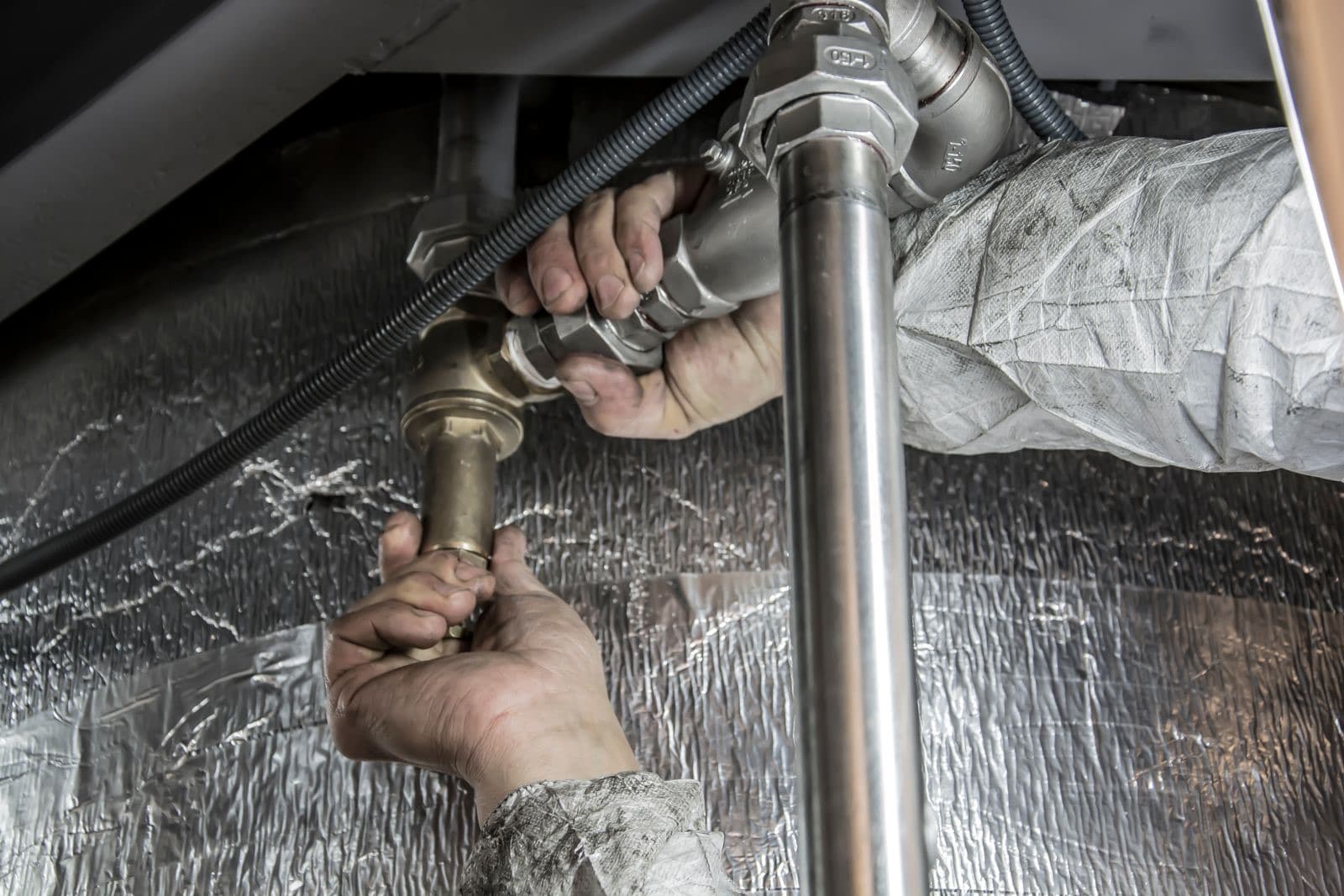
A fitting inside a clear cupboard presents a different access question from one behind fixed furniture or tiling. Mention any intended access panel, but do not assume it reaches every connection. Tell the plumber what is visible and what is enclosed so the first discussion reflects the actual arrangement.
If moving contents is straightforward and safe, agree what should be cleared before a visit. Fixed shelves, heavy furniture and unfamiliar covers are different matters; ask about them rather than taking them apart. Photographs of the installation from earlier work can provide context, but the current condition still needs assessment.
Agree the repair and making good separately
Opening an enclosure or disturbing a finish may be necessary in some cases, but it should not be assumed before assessment. Ask what access is proposed, what work can be confirmed now and what may only become clear once the relevant area is reached. This makes the limits of the initial scope easier to understand.
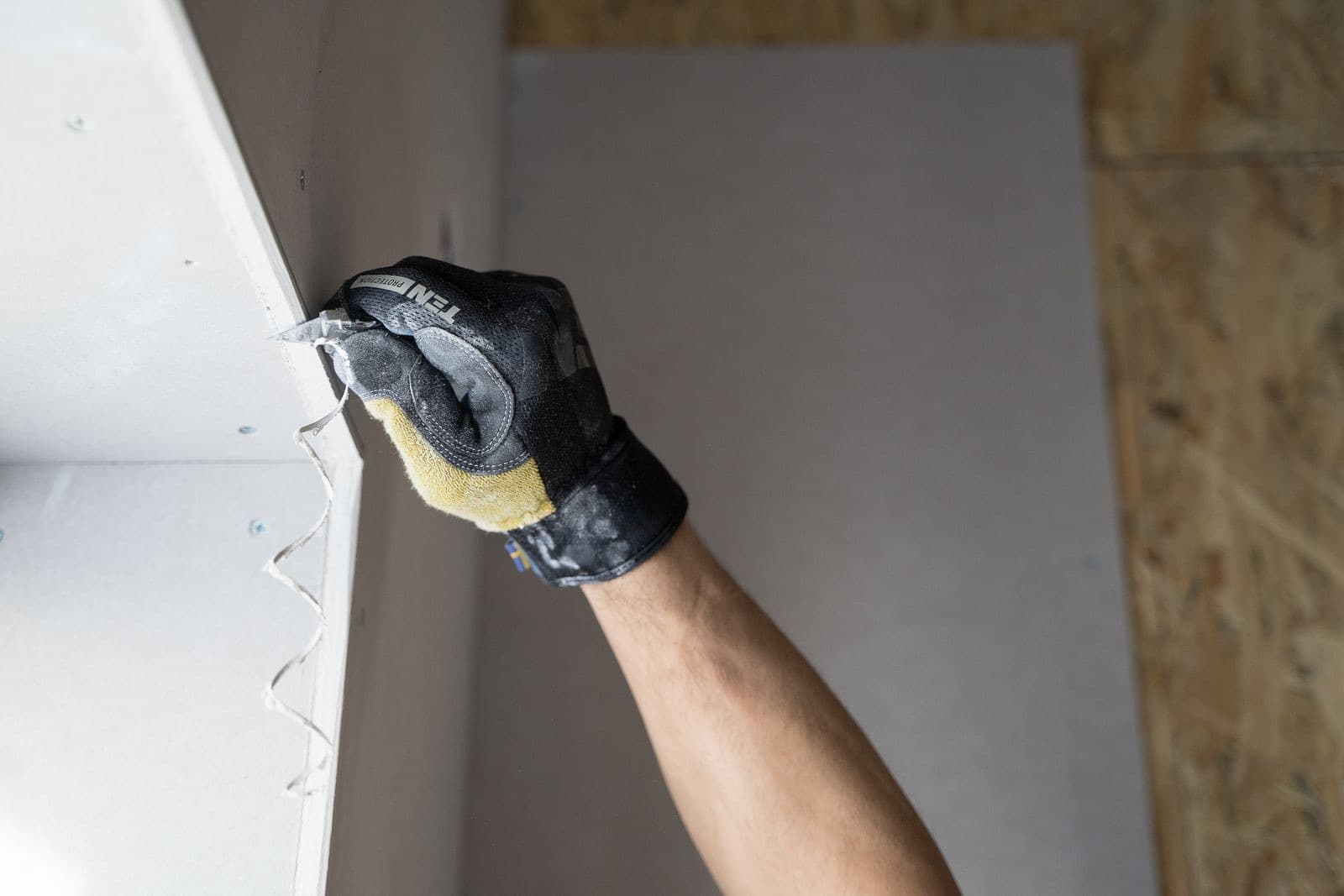
Where the room has suffered damage, discuss the eventual finish as a separate item. The plumbing repair, any general repairs and subsequent decoration may involve different stages. Ask when the surface can be assessed for making good and what condition it needs to reach before the chosen materials are applied. Avoid fixing the decorative date solely around how quickly you want the room to look normal.
Keep a useful record after the visit
Retain the description of the work carried out and any product or maintenance information supplied. If a particular area remains under observation or further work is recommended, make that distinction clear in your own notes. A completed task and a recommendation for later assessment are not the same thing.
If the symptom returns, report the change and the earlier work rather than assuming it has the same cause. The record helps explain the sequence of events without claiming that an intermittent problem can always be resolved during one visit. Scope and timing should follow the actual findings.
Frequently asked questions
Can a plumber identify the fault from a photograph?
A photograph can help explain the location and visible condition, but it may not reveal concealed connections or the cause of an intermittent symptom. Use it to support the discussion and ask what assessment is needed. Do not rely on a photograph as confirmation that a particular replacement will solve the problem.
Should I redecorate as soon as the plumbing has been repaired?
Ask when the affected surface is suitable for assessment and making good. The condition of the materials and the proposed finish matter. Keep plumbing, any surrounding repairs and decoration visible in the scope so that the room is restored in an appropriate sequence.
See PRG's plumbing service or describe the problem and whether it is happening now.