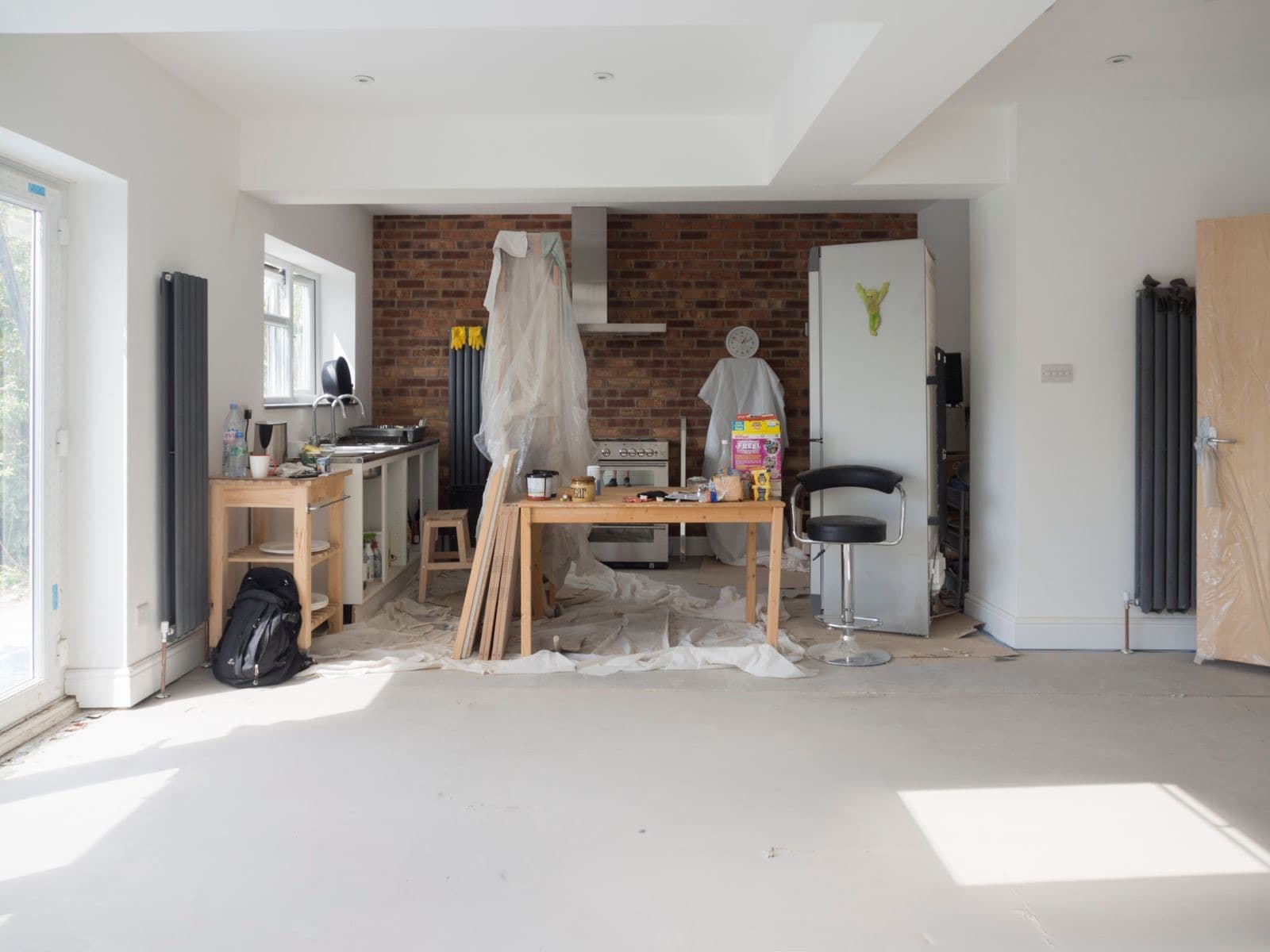
Before putting a property on the market, it is tempting to redecorate every room. A more useful starting point is to ask what prevents the home being used properly, what makes its condition difficult to judge and what is simply a matter of taste. Those three questions produce a clearer improvement budget than a general instruction to make everything look new.
PRG Property Services offers pre-sale / pre-let preparation in Sevenoaks, alongside general repairs, decorating and plaster repairs, flooring and clearance. The right combination depends on the property. A sound room with tired paint needs a different approach from one where a leak or damaged floor still needs assessment.
Deal with unresolved faults before choosing finishes
Start with anything that is actively deteriorating or stopping an everyday feature working. A door that will not close, a dripping fitting and loose flooring deserve separate attention from scuffed paint. Describing each problem clearly helps establish whether a small repair, further investigation or replacement should be considered.
A fresh finish should follow the necessary repair. Painting over a returning stain does not establish why it appeared, and new flooring is a poor starting point if work underneath it is still being discussed. Ask what needs assessing first and which visible finishes will be disturbed by that work. This makes the boundary between repair and decoration much clearer.
Use three categories to control the scope
Place proposed work in one of three groups. This is a way to make decisions, rather than a promise that every item in a group has the same urgency or price.
- Repair: an existing feature is damaged, unreliable or cannot be used as intended.
- Refresh: the underlying surface or fitting is serviceable, but its presentation would benefit from attention.
- Replace: assessment identifies a reason to change the item, or you have made a deliberate choice to upgrade it.
For example, worn paint on a cupboard door and a broken cupboard carcass are different jobs. Likewise, one damaged section of a floor and a decision to change every floor covering should not arrive in the same quotation as an unexplained “flooring allowance”. Ask for the scope to show what is being retained and what is being replaced.
Choose a finish that makes sense across the room
Small touch-ups can be enough in some places, while others need a whole wall or room considered together. The age of the existing decoration, lighting and finish all affect how a repaired patch may look. Ask what the proposed decorative boundary will be before assuming a local repair will disappear into the surrounding surface.
Stand at the doorway as well as close to the defect. A repaired wall, an adjacent worn skirting board and a damaged threshold may read as one unfinished area even though they belong to different tasks. That does not automatically justify replacing them all; it means the final appearance should be considered as a whole before separate jobs are approved.
Keep the marketing date separate from the work estimate
If photographs, viewings or a new tenancy already have dates, share them at the first discussion. They are constraints to plan around, not evidence that an uninspected job can be completed in time. Access, material choices and the condition revealed during preparation can all affect the sequence.
It is useful to agree what must be finished before marketing photographs and what can remain a separately identified later item. Avoid presenting an unresolved fault as completed work. For a letting, decorative readiness also does not replace the separate checks and responsibilities that apply to the property; obtain appropriate advice where those are uncertain.
Leave optional upgrades visible
An improvement list often grows as soon as the first room looks better. Keep optional changes separate from the work that brought you to the project. A useful quotation discussion identifies the agreed rooms, preparation, finish, retained items and any disposal requirement, while showing choices that still need a decision.
Clearance may free enough space to assess a room properly, but be explicit about possessions or fittings that must stay. If electrical work forms part of the plan, PRG lists this as work through qualified contractors. Raise it with the wider scope so repairs and subsequent decoration can be considered in the right order.
Frequently asked questions
Should I replace a kitchen or bathroom before selling?
There is no universal answer. Separate faults that need attention from a preference for a different style, then obtain an assessment of the realistic options. If your decision depends on likely market appeal, ask the selling agent for property-specific advice. Do not assume a major refurbishment will return its cost.
Is a quick decorative refresh enough before a new tenant moves in?
Only an assessment of the property can establish the necessary work. Decoration may address presentation, but it does not resolve an active leak, a damaged fitting or an incomplete repair. Keep those items explicit and agree what needs completing before handover.
Explore PRG's pre-sale and pre-let preparation service, or discuss the property and your intended date before committing to a larger refurbishment.