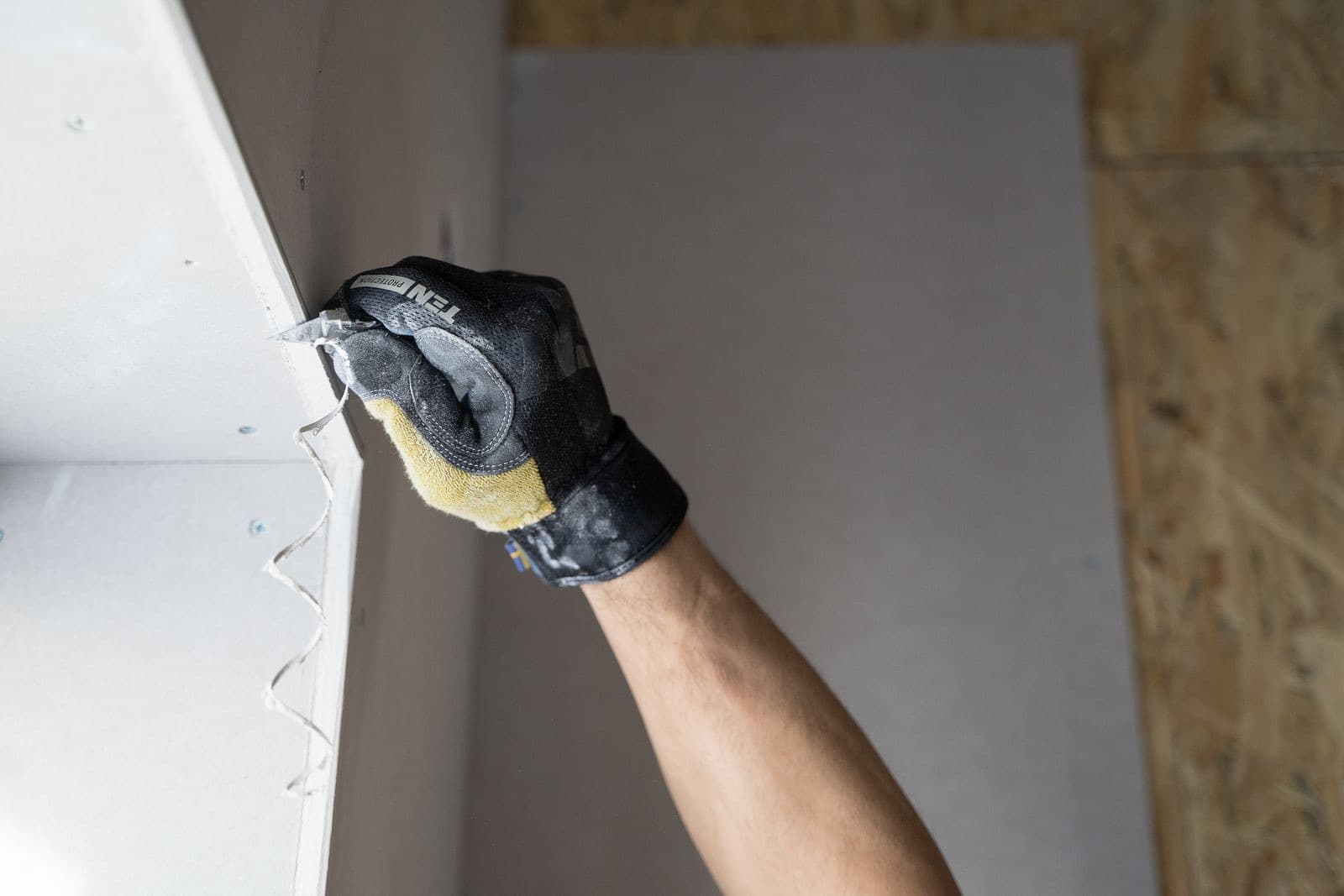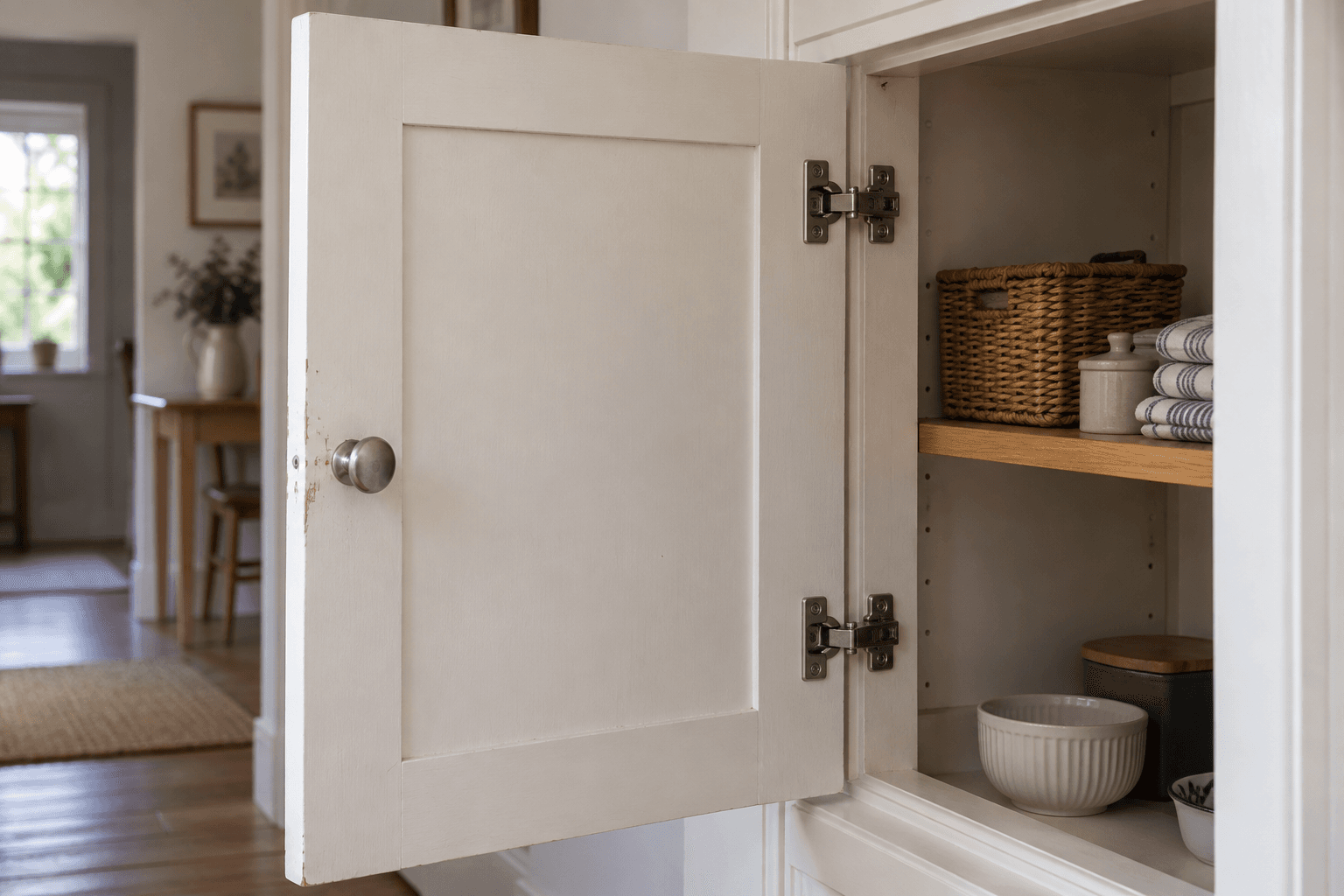
A cupboard that catches or an internal door that rubs can make a room feel worn out, even when much of the joinery is still useful. Before choosing a replacement, have the door, its fittings and the surrounding frame considered together. The visible annoyance may be only one part of the job.
PRG Property Services offers carpentry and general repairs in Sevenoaks, alongside flooring and decorating and plaster repairs. Those services can overlap when a door problem appears during a room refresh. The aim should be a fitting that works properly and a finish you are happy to retain, with the proposed work explained before it begins.
Start with what the fitting does
There is a useful distinction between a door that works but looks tired and one that cannot be used normally. Worn paint around a handle is a different concern from a loose hinge, a catching edge or damage to the cupboard itself. Describe the behaviour before deciding the remedy.
For a cupboard, consider whether the door closes, whether it sits as intended and whether the shelves and carcass remain usable. For an internal room door, note where it catches and whether the behaviour is recent. Do not force a fitting, remove hardware or shave an edge to test a theory. An assessment should establish what is happening and whether adjustment or repair is appropriate.
Look beyond the door itself
A new door is not a complete answer if another part of the assembly also needs attention. Ask the person assessing the work to explain the condition of the frame or cupboard carcass, the existing fittings and the adjoining finishes. This helps distinguish the part being replaced from the parts that will remain.
If the problem began after flooring was changed, mention that history. A door, its opening and the finished floor need to work together. If new flooring is still planned, share that before the carpentry scope is agreed; otherwise, a decision may be made against a floor level or threshold that is about to change.
Compare the complete options
A repair and a replacement should be compared on their full scope, rather than the price of a bare door or a single fitting. An option may also involve adjustment, finishing, adjoining decoration or disposal. Ask what is included and whether any existing parts are being retained because they remain suitable.
- Repair or adjust: what will be corrected, which components stay and what result is reasonably expected?
- Refresh the finish: is the fitting serviceable, and what preparation and decoration are proposed?
- Replace: does the price include fitting, compatible hardware, finishing and any making good around it?
The right choice may differ within the same room. Keeping a sound cupboard while replacing a damaged component can be worth discussing, but it should not become a promise that every item is repairable. The assessment and the availability of suitable parts determine which options are practical.
Decide how closely the finish needs to match
If one door is being changed among several, decide whether your priority is a close match or a deliberate change across the room. An existing profile, colour or aged finish may not match a new component exactly. Looking at a proposed sample or specification before ordering is more useful than relying on a product name alone.
Consider the surrounding skirting, architrave and cupboard fronts at the same time. They do not all have to be replaced, but the intended finish should be clear. If carpentry will disturb a decorated edge, include the making good in the conversation so it does not become an unexpected task after fitting.
Make the room usable during and after the work
Talk through how the fitting is used day to day. A cupboard may hold items that need moving temporarily; a room door may sit on an important route through an occupied home. Access and protection arrangements are part of planning the work, even for a modest repair.
At completion, compare the result with the agreed scope: the movement of the door, operation of the handle or latch, retained surfaces and any finishing still outstanding. Keep details of replacement fittings where available. A useful repair is one whose purpose and limitations are clear, rather than one judged only by a freshly painted surface.
Frequently asked questions
Does a sticking internal door always need replacing?
No automatic conclusion follows from the symptom. The door, hardware, opening and surrounding surfaces need assessment. Explain when it started and where it catches, then ask what options are appropriate. Avoid altering the door before its construction and function have been checked.
Can a cupboard be repaired without changing the whole unit?
That depends on the damage, the condition of the retained parts and the availability of suitable components. Ask for the repair option and its expected result to be explained alongside replacement, including any finishing work. A photograph can start the conversation, but may not settle the choice.
See PRG's carpentry service or ask about a fitting that is no longer working as it should.