An overgrown garden does not always need to be stripped back to become useful again. Before arranging a clearance, decide what the outdoor space needs to do: provide a clear route, leave room to sit, make regular upkeep manageable or prepare a property for its next occupants. Those choices help distinguish what should stay from what needs attention.
PRG Property Services offers garden maintenance and clearance in Sevenoaks, alongside pre-sale / pre-let preparation. A useful brief connects the outdoor work with the way the property will be used, rather than treating every plant, pot or stored item as something to remove.
Start with the places people use
Look at the route from the back door to the garden, any seating area and access to bins or a shed. Which parts are difficult to reach or use? These everyday functions can provide a sensible first focus when there is more work than the initial budget allows.
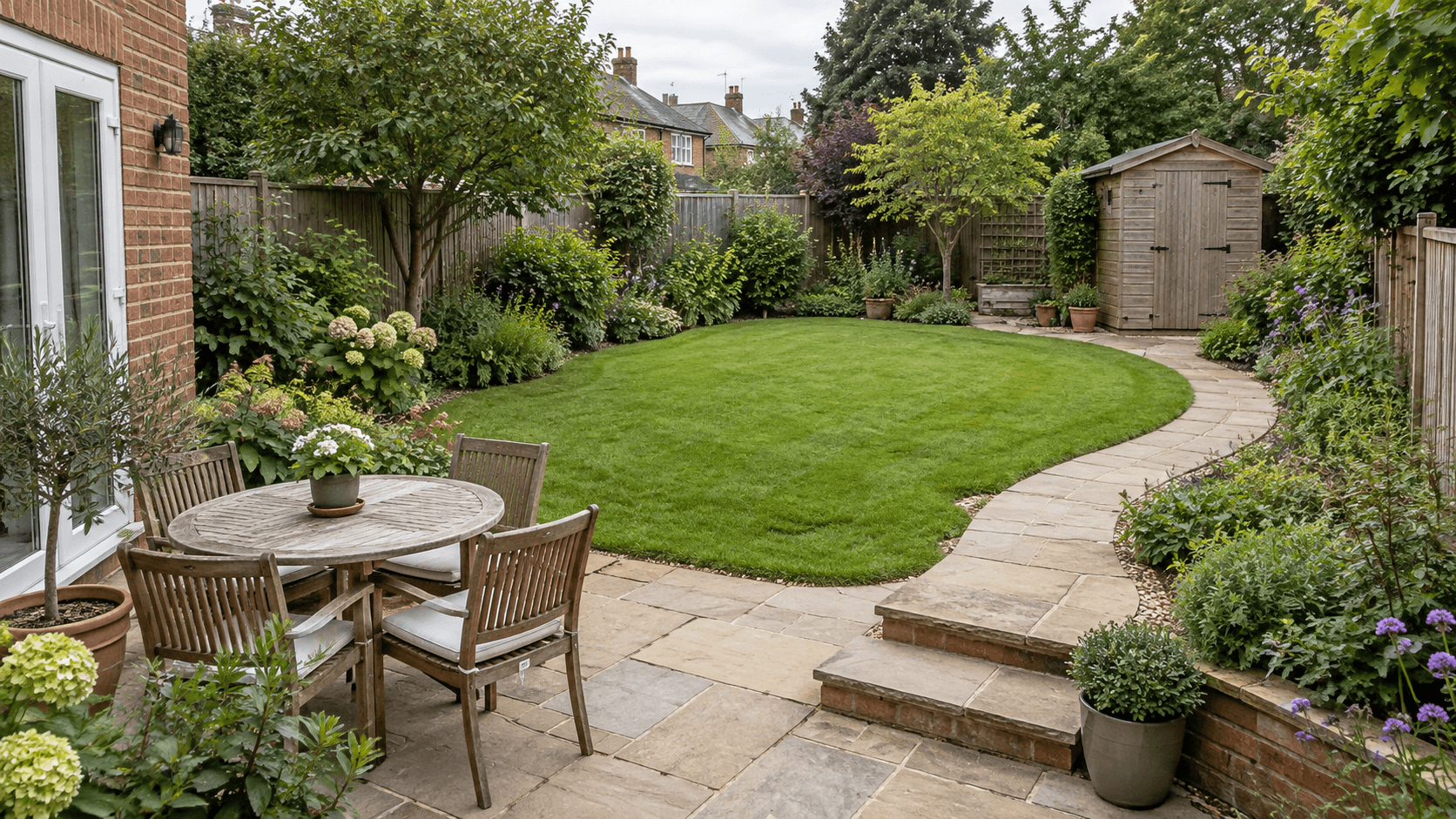
Think about the view from the house as well. A seating area partly hidden by growth may still be worth keeping, and established planting may be part of what makes the garden appealing. The aim is to make deliberate choices about access and appearance, rather than assume that a completely empty space is the best result.
Make a clear keep list
Walk through the garden and identify plants, containers, furniture and stored items that must remain. Mark anything uncertain for discussion. An inherited garden can contain things whose purpose or value is not obvious, so “clear everything” is a poor substitute for an agreed scope.
Where you are unsure about a plant or the appropriate work, ask for assessment before authorising removal or cutting. The condition, type of planting and timing may affect the advice. Do not try to turn a photograph into a precise pruning instruction without the relevant knowledge of what is growing there.
- Keep: planting and features that you want protected.
- Maintain: areas that need attention while remaining part of the garden.
- Clear: specifically identified items or growth agreed for removal.
- Discuss: anything whose condition, ownership or treatment is uncertain.
Separate maintenance from removal
A maintenance visit and a clearance can produce different kinds of work and material to handle. Explain whether you want regular upkeep, a one-off recovery of an overgrown area or removal of particular items. Naming the intended result makes it easier to discuss which service is appropriate.
Agree what will happen to the material produced. Do not assume that an instruction to cut back growth also settles every disposal arrangement, or that a general garden enquiry includes furniture, rubble and unrelated stored items. Identify different materials separately so their handling can be discussed before the work is priced.
Plan for the upkeep you can sustain
A garden can look noticeably better after one visit and still need a realistic maintenance plan. Think about what you can manage between visits and which tasks you want help with. A large area that needs frequent attention may not suit a household seeking a simpler outdoor space.
This is a conversation about priorities, not a reason to remove all variety. You might value an established border while wanting a clearer route beside it, or prefer to retain a modest seating area instead of expanding the work to the whole garden. Explain those preferences before approving a broad tidy-up so the result reflects how you will use the space.
Coordinate the garden with property preparation
If the work forms part of preparing a property for sale or letting, share the relevant dates and access arrangements. Outdoor work may need the same route as indoor repairs or clearance. Discuss where materials can be moved and which areas must remain available, rather than booking separate tasks that obstruct one another.
At completion, compare the result with the keep, maintain and clear decisions. Confirm which areas were addressed and what remains for a later visit. A simple record helps the next person understand the intended garden, particularly when a landlord, agent or new occupant will take over its upkeep.
Frequently asked questions
Should an overgrown garden be cleared completely before maintenance begins?
Not automatically. Identify the useful features and planting you want to retain, then ask what work is needed to make the space manageable. Complete clearance and selective maintenance are different choices; the condition of the garden and your intended use should inform the scope.
What is the difference between a one-off tidy and ongoing garden maintenance?
A one-off visit addresses an agreed condition or task at that time. Ongoing maintenance needs a separate discussion about the areas to be cared for and the level of upkeep you want. Do not assume a recovered garden will remain in the same condition without further attention.
Explore PRG's garden maintenance and clearance services, or discuss which parts of the garden you want to keep and improve.