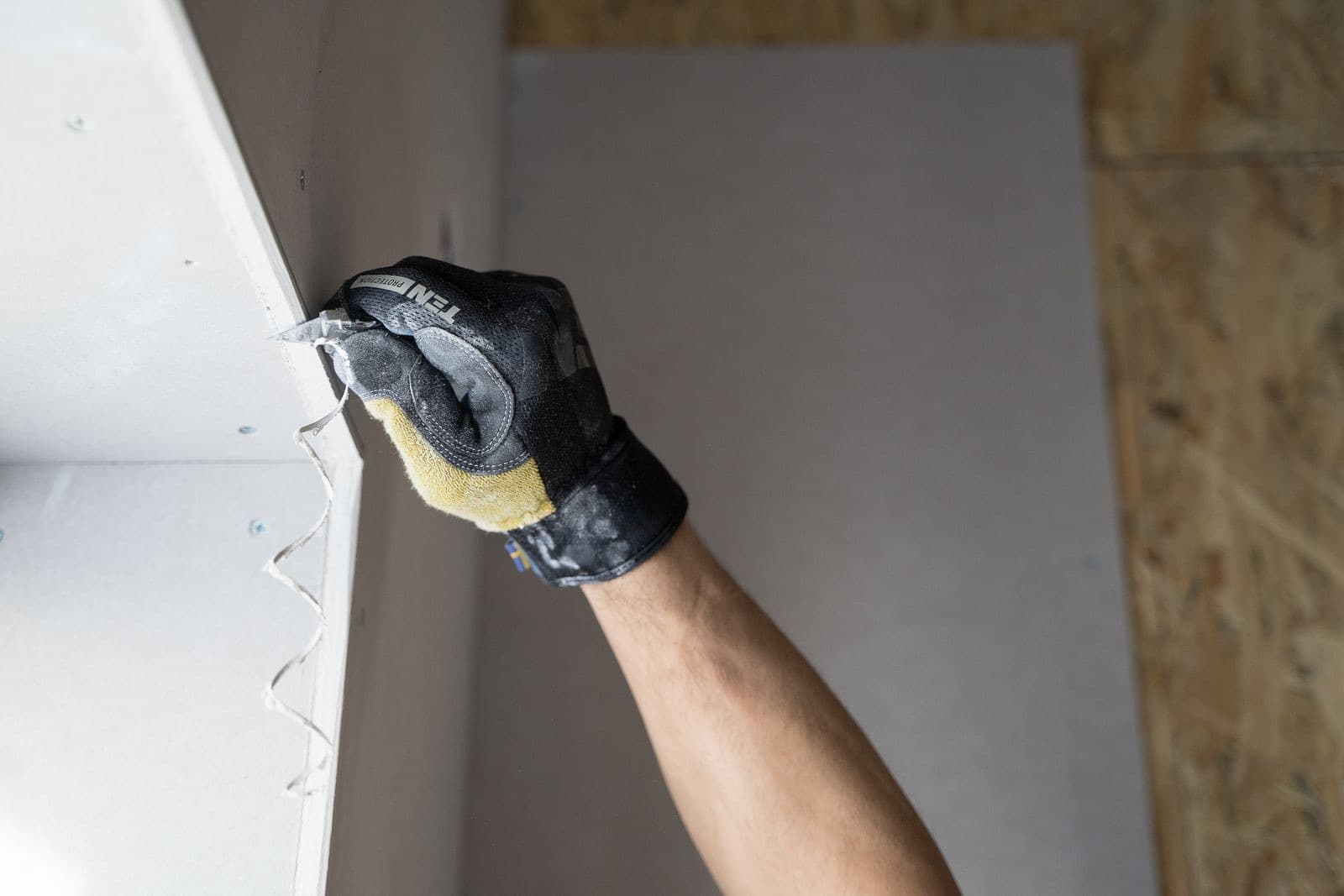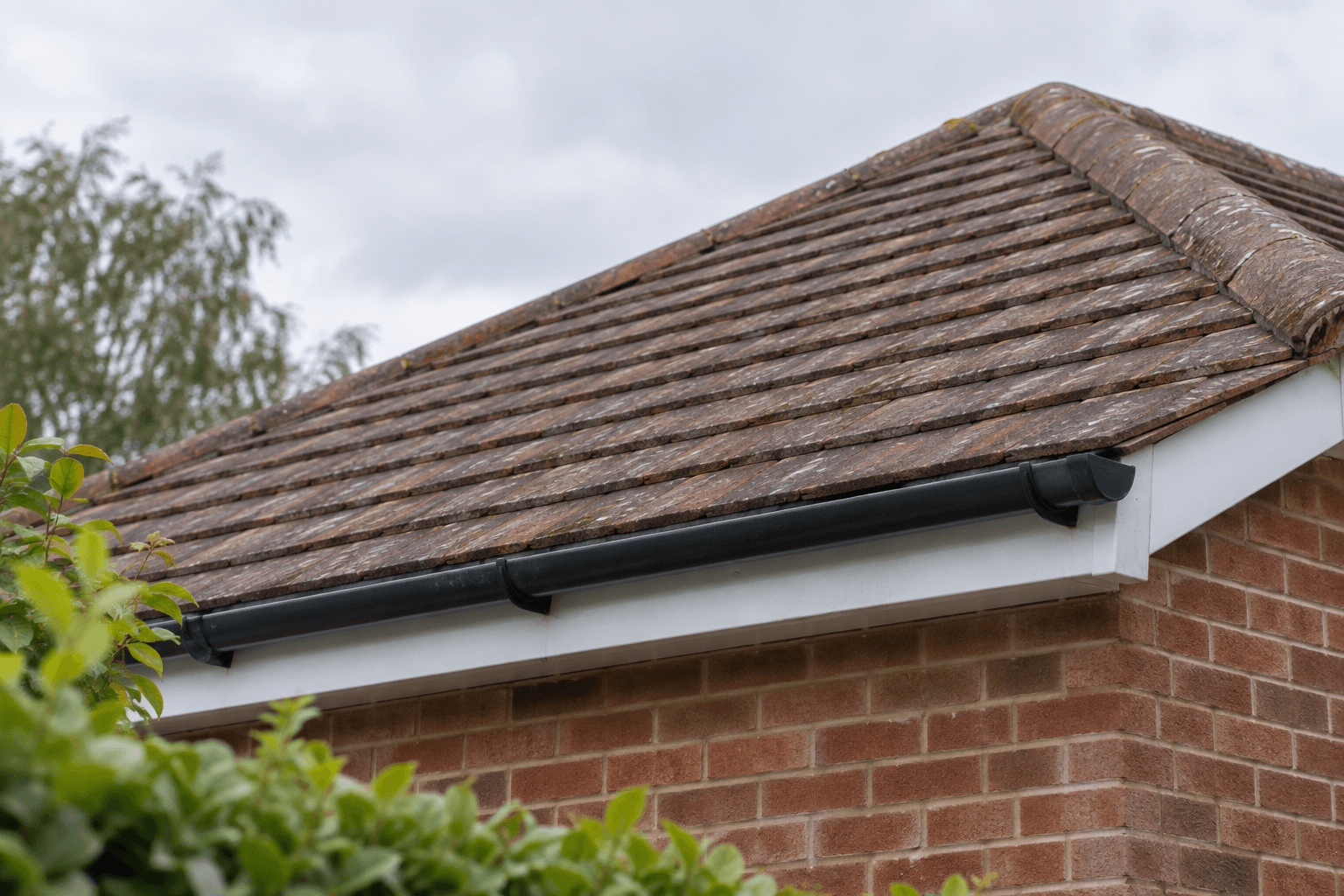
A mark on a ceiling may be the first thing you notice, but the decorative damage and the cause of water entering a property are separate questions. Before arranging to repaint, have the concern assessed and establish what repair, investigation or further observation is needed. A clean-looking ceiling is not evidence that the original problem has been resolved.
PRG Property Services offers roof repairs, general repairs and decorating and plaster repairs in Sevenoaks. When outside work and internal making good are both involved, a clear sequence helps avoid treating the visible stain as the whole job.
Keep observations at ground level
You do not need to climb onto a roof to make a useful first enquiry. Describe the affected room, the location of the visible mark and when you noticed it. If you already have a safe ground-level view of the relevant roof area, a photograph can help identify the part of the building being discussed.
Do not use a ladder, climb through a roof opening or move onto a roof to improve the evidence. The Health and Safety Executive identifies roof work, including work on fragile surfaces, as a serious fall risk requiring appropriate planning and precautions. Access and close inspection belong in the professional assessment, not in the homeowner's preparation for a quotation.
Record the history without diagnosing it
Note whether the mark is new or longstanding, whether it has changed and whether you noticed it after particular weather. Include relevant previous work if you know about it. A dated image of the room can help show the history; an undated close-up may be less useful because it does not establish which condition is current.
Keep the language observational. “The mark became larger after the last rainfall” is a clearer account than naming a failed roof component that has not been inspected. The visible location inside does not settle the repair scope. Assessment may need to consider the building and the route of the problem more broadly.
- Identify the affected room and the position of the mark within it.
- Explain when it appeared and whether it is changing or actively wet.
- Share the dates and details of relevant previous work where these are known.
Ask what the initial assessment can establish
Roof access, the condition of the building and the nature of the symptom affect what can be confirmed at the outset. Ask which parts of the scope are known and which remain subject to inspection. An initial discussion may identify the next assessment step without providing a final repair specification.
If temporary measures and a subsequent repair are proposed, keep them clearly distinguished. Ask what each stage is intended to achieve, what remains outstanding and how further findings will be explained. Do not interpret an interim action as a guarantee that all related work has been completed.
Plan internal repairs after the underlying concern
A ceiling or wall may need attention once the relevant external work has been considered. Discuss the condition that needs to be reached before making good, including any assessment of affected materials. The right sequence depends on the findings, rather than a fixed number of days after a repair.
Where decoration is required, agree its extent separately. A local area of damage and a whole ceiling finish are different scopes. Consider the surrounding surface, existing decoration and the expected result so that the work does not end with an unexplained patch or an assumption that every room is included.
Keep the completion record practical
Ask for a clear description of the work carried out and any further action recommended. If photographs of the repaired area are provided, keep them with the record. They can help explain what was addressed, although they do not remove the need to report a later change in condition.
Afterwards, distinguish an old dry mark awaiting decoration from a new or returning symptom. If you see a change, explain what is different and when it happened. That gives the next conversation a factual starting point without assuming either that the earlier work failed or that every later mark is harmless.
Frequently asked questions
Does a ceiling stain mean I need a whole new roof?
The stain alone cannot establish that. It indicates an issue to assess, not the extent of the repair. Describe its history and arrange an appropriate inspection before comparing specific repair or replacement options.
Can I send photographs instead of arranging an inspection?
Photographs can support the first discussion, especially when they identify the room and the relevant part of the building. They cannot always reveal concealed conditions or provide safe access for assessment. The person considering the work can explain what further inspection is needed.
Read about PRG's roof repairs or raise a current roof or ceiling concern. Explain immediately if water is actively entering the property.
Safety reference: HSE guidance on fragile roofs and surfaces, checked 18 September 2026.